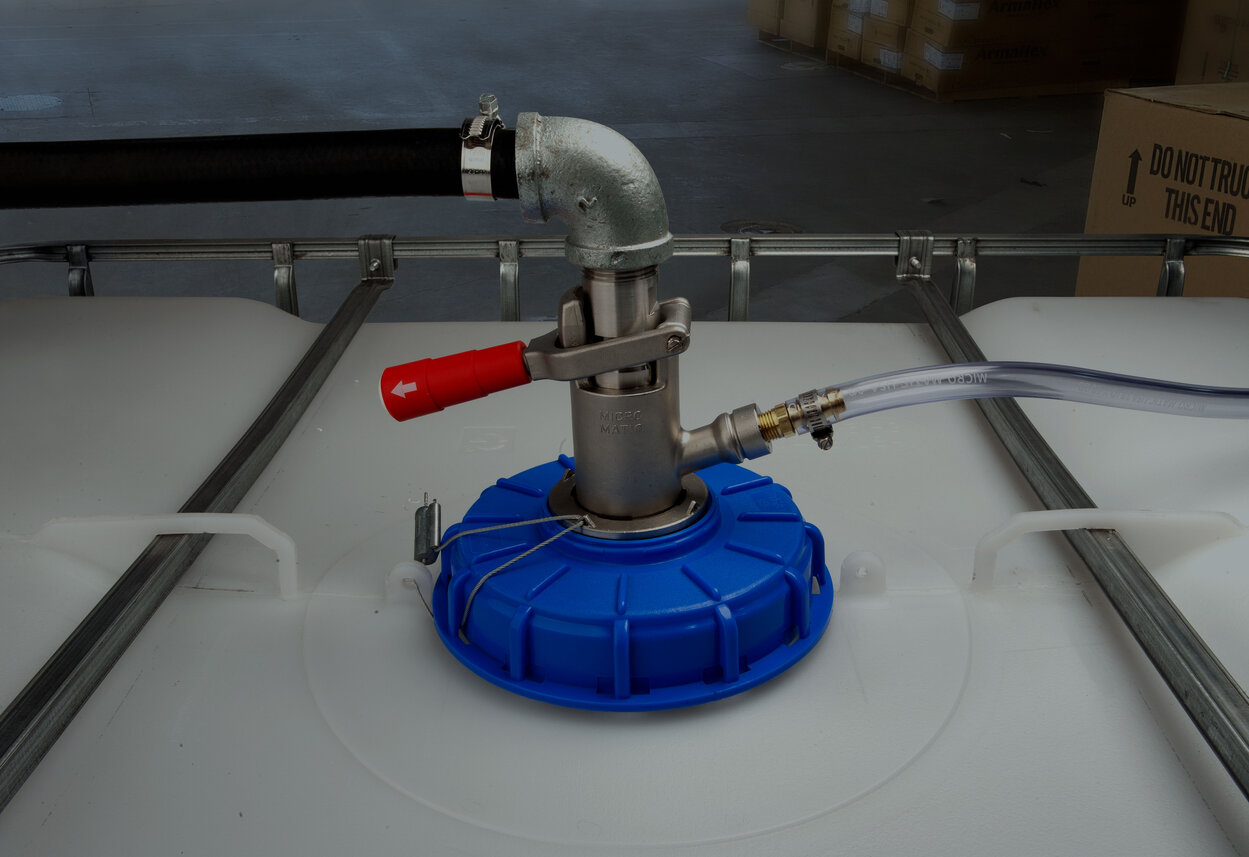
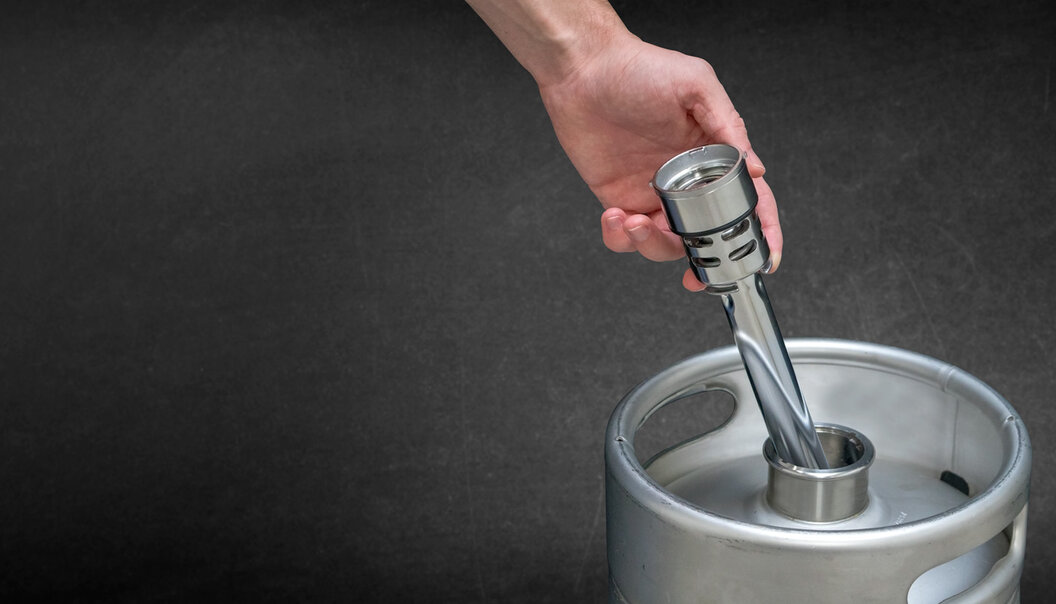
D System Most common system available in the US, also known as American Sankey. Used by all the major breweries - Anheuser-Busch, Miller, Molson-Coors, and Labatt as well as most craft breweries.
S System Many European breweries use this system, also known as European Sankey. Distinguished by it’s longer, narrower probe than the D System. Used by breweries such as - Heineken, Becks, Amstel Light, and Pilsner Urquell.  
A System Commonly referred to as the German Slider because it slides onto the valve face. Used by breweries such as - Hoegaarden, Paulaner, Spaten, and Warsteiner. M System Recently introduced to the U.S. market. Body is the same as the German Slider, but the probe configuration is unique. Used by breweries such as - Schneider, Aventinus, and Einbecker.   G System This system gets its name from the English developer, Grundy. The valve face can be thought of as a circle with three sides cut off. Used by breweries such as - Bass, Boddingtion’s, Caffrey’s and Anchor Steam (50 liter kegs)
U System This system takes its name from the English manufacturer UEC. Used by breweries such as - Guinness and Harp.  Twin Probe This system is in limited use by some regional craft breweries.
Homebrew Two-piece connection for syrup (Cornelius) tanks.
Visit our Beer Keg, Coupler, Pump Cross Reference List Click here "Cross Reference List."
Coupler "Keg Taps" Basics
The new "single valve" keg couplers are simple and easy to use. Attach coupler to keg, depress handle to engage, pressure is allowed to enter the keg and beer is pushed out. Most couplers have a built-in PRV (pressure relief valve) to allow over-pressurized (55 PSI) gas to escape before it enters the keg.
Pressure Inlet Attach 5/16" I.D. gas hose to the exposed 5/16" I.D. inlet nipple. Clamp it securely to prevent gas leaks.
Beer Outlet Attach beer line fittings to the threads on the beer outlet. Use a hex nut (874), tailpiece (usually 3/16" I.D. 526A) and seal it with a neoprene washer (759) under the hex nut.
Care & Cleaning Always inspect the coupler before tapping a new keg. Check the bottom seal washer (where the coupler connects to the keg) for cracks, chips, or wear. A worn bottom seal will allow gas to escape, and air to be drawn in resulting in foamy beer being dispensed.
It is a good practice to clean the beer line and fittings between each keg. If the handle action is sticky and the coupler is difficult to engage - it probably needs a good cleaning. Disassemble the coupler, clean and then lightly re-lube (FT101L) the probe for easier action. Proper beer dispensing depends on the keg coupler functioning correctly.
Can't find the answer?... Want access to the experts? Try the Beer Dispensing Discussion Forum. It's easy and a great way to communicate!
If you don't see what you're looking for, or not sure how to put all this hardware together, please call us at 1-866-291-5756 or send us an email at Sales@MicroMatic.com. Responsive customer service is our commitment to you!
|